








World Cup 2026 dark horses: Five outsiders who could cause a surprise

They might be considered underdogs, but these five teams may have just what it takes to pull off a miracle in the upcoming tournament
France, Spain, England, Brazil and Argentina may dominate predictions, betting markets and TV discussions ahead of the 2026 World Cup, but the tournament also consistently produces surprise contenders.
Croatia reached the 2018 final despite starting as outsiders, while Morocco stunned the football world by reaching the semi-finals in 2022.
With the 2026 tournament expanding to 48 teams and featuring an additional knockout round, opportunities for another unexpected run may be greater than ever. Here’s a list of five teams which stand out as genuine dark horses.
Norway

Norway return to the World Cup after years of frustration, and they arrive with arguably the most exciting squad in their modern history. Everything revolves around Premier League stars Erling Haaland and Martin Ødegaard, with the former being among the most prolific strikers in world football and the other controlling matches for both club and country from midfield.
The lack of major tournament experience remains a concern, but if Haaland starts scoring early, Norway have enough attacking quality to become one of the most dangerous knockout-round opponents in the competition.
Turkey
Turkey may be one of the most underrated teams heading to North America. The emergence of Arda Güler has transformed expectations around the national team, with the Real Madrid playmaker being already regarded as one of Europe’s most gifted young talents. Alongside him are players such as Kenan Yildiz, Hakan Çalhanoğlu and Ferdi Kadıoğlu.
Their run to the World Cup semi-finals in 2002 remains one of the greatest surprise stories in modern football. Repeating that achievement would be difficult, but few outsiders possess a more exciting blend of youth and technical quality.
Japan
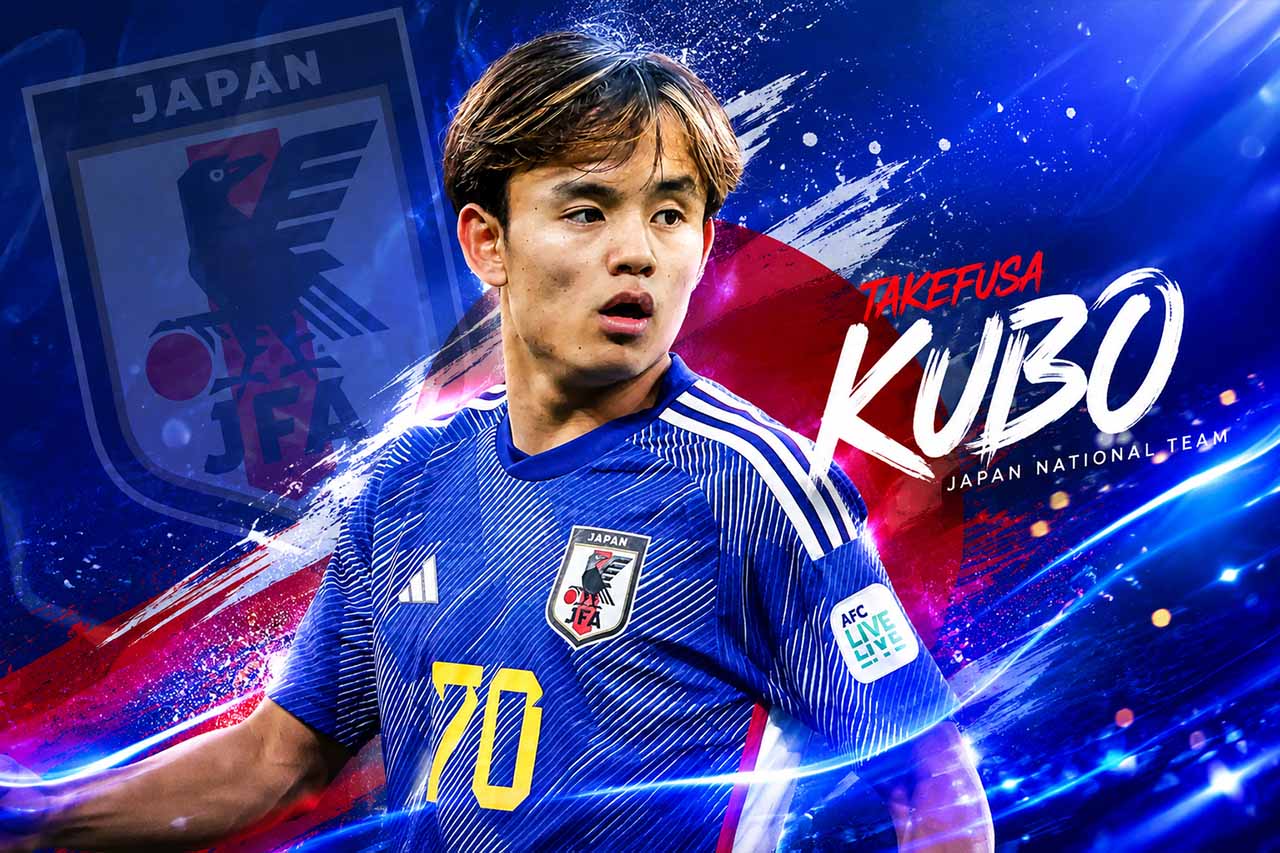
Japan have gradually evolved into one of the strongest national teams outside Europe and South America. Recent victories over elite opposition, including major wins against Spain and Germany in recent tournaments, have reinforced the belief that Japan can compete with anyone on their day.
The squad is packed with players operating at a high European level. Takefusa Kubo remains the headline talent, while Daichi Kamada, Ao Tanaka and Ko Itakura provide experience and balance.
Sweden
Their attacking unit is capable of troubling almost any defence at the tournament. Viktor Gyökeres enters the World Cup after establishing himself as one of Europe’s most prolific forwards, while Alexander Isak and Anthony Elanga provide Premier League-level quality around him.
The key question is whether Sweden can maintain enough defensive consistency against elite opposition. If they can, their front line gives them the ability to upset more fancied nations and potentially make a deeper run than many expect.
Scotland

Scotland have already made history by returning to the World Cup for the first time since 1998, but Steve Clarke‘s side will travel to North America believing they can do more than simply make up the numbers. After years of near misses, the Scots have developed a battle-hardened squad that has consistently punched above its weight against higher-ranked opponents.
Andy Robertson is one of the tournament’s top left-backs, while Scott McTominay has emerged as a genuine goalscoring threat from midfield. Add the leadership of John McGinn and the versatility of Kieran Tierney, and Scotland possess a core capable of competing with stronger nations on paper.