







Why Is the St Leger Britain’s Oldest Classic? 250 Years of Doncaster History
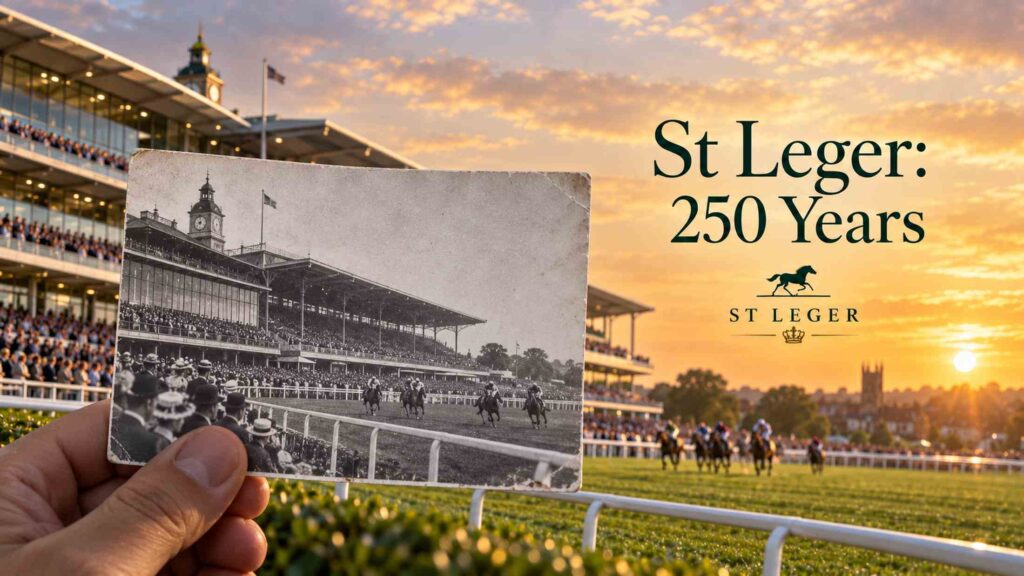
St Leger history begins in 1776, before any of Britain’s other four Classics existed, making Doncaster’s showpiece the oldest of the five races that define the British Flat season. Its 250th anniversary is a good reason to look beyond Saturday’s favourite and understand why the race has survived for two and a half centuries, what its demanding distance asks of a three-year-old and how its place in British racing has evolved.
That history also shapes the modern betting market, particularly when stamina, course form and late-season development come into play. Our UK horse racing betting sites guide compares bookmakers, markets and offers for racing punters, while helping readers assess the terms behind each promotion before choosing where to bet.
Why is the St Leger the oldest British Classic?
The answer is chronology. The St Leger came first, followed by the Oaks and Derby, then Newmarket’s two Guineas races.
| British Classic | First run |
|---|---|
| St Leger | 1776 |
| Oaks | 1779 |
| Derby | 1780 |
| 2,000 Guineas | 1809 |
| 1,000 Guineas | 1814 |
“Oldest Classic” does not mean Britain’s oldest horse race. Doncaster’s own Cup dates to 1766. The distinction belongs to this particular group of five prestigious races for three-year-olds.
Why is it called the St Leger?
The race honours Anthony St Leger, who proposed the original contest. It began as an unnamed two-mile sweepstakes on Cantley Common. Even its first winner was unnamed when she won; the Marquess of Rockingham’s filly later became Allabaculia.
The name was agreed in 1778 following a dinner at Doncaster’s Red Lion, with Rockingham proposing St Leger’s name. That year also brought the move to Town Moor.
There is something wonderfully unfashionable about the story: a dinner, a local sportsman and a race that outlived their world. At Doncaster, the polished shoes and September sunshine still frame an uncompromising sporting question. When the speed has been spent, which horse has something left?
Distance, the Triple Crown and famous winners
Today’s race covers approximately one mile and six and a half furlongs, making it the longest British Classic. It completes the Triple Crown after the mile-long 2,000 Guineas and the Derby over approximately a mile and a half.
The Triple Crown asks one horse to carry spring speed through summer and still find autumn stamina.
Three winners explain its reach:
- West Australian, 1853: the first winner of the British Triple Crown.
- Nijinsky, 1970: completed the same treble under Lester Piggott.
- Oh So Sharp, 1985: completed the fillies’ version, comprising the 1,000 Guineas, Oaks and St Leger.
What makes a St Leger performance special?
How the St Leger became a festival
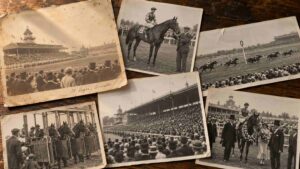
The original sweepstakes now anchors a four-day meeting. In 2026, Ladies Day, Gents Day, St Leger Day and Sunday Funday run from 10–13 September, with the Classic on Saturday.
The festival has broadened the invitation, mixing elite racing with distinct social occasions. The race retains its purpose: asking more of a three-year-old’s stamina than the other British Classics do.
St Leger odds: history meets this year’s field
The anniversary supplies the occasion; stamina still decides the contest. These reference prices were published in our St Leger Festival guide alongside DAZN Bet and have not been independently rechecked at the bookmaker.
Check current prices, declarations and each-way terms before betting. A place component adds a second stake; it does not automatically improve a bet.